Skip to product information
1 of 1

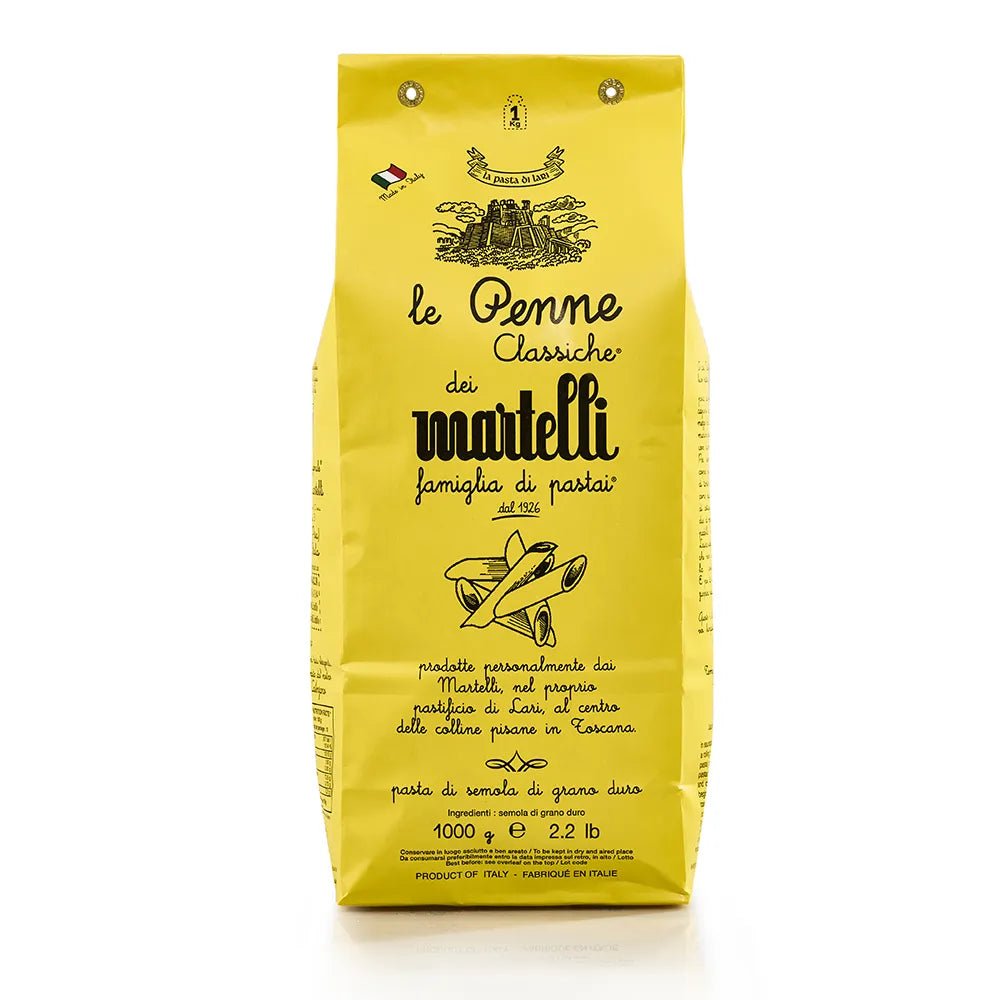
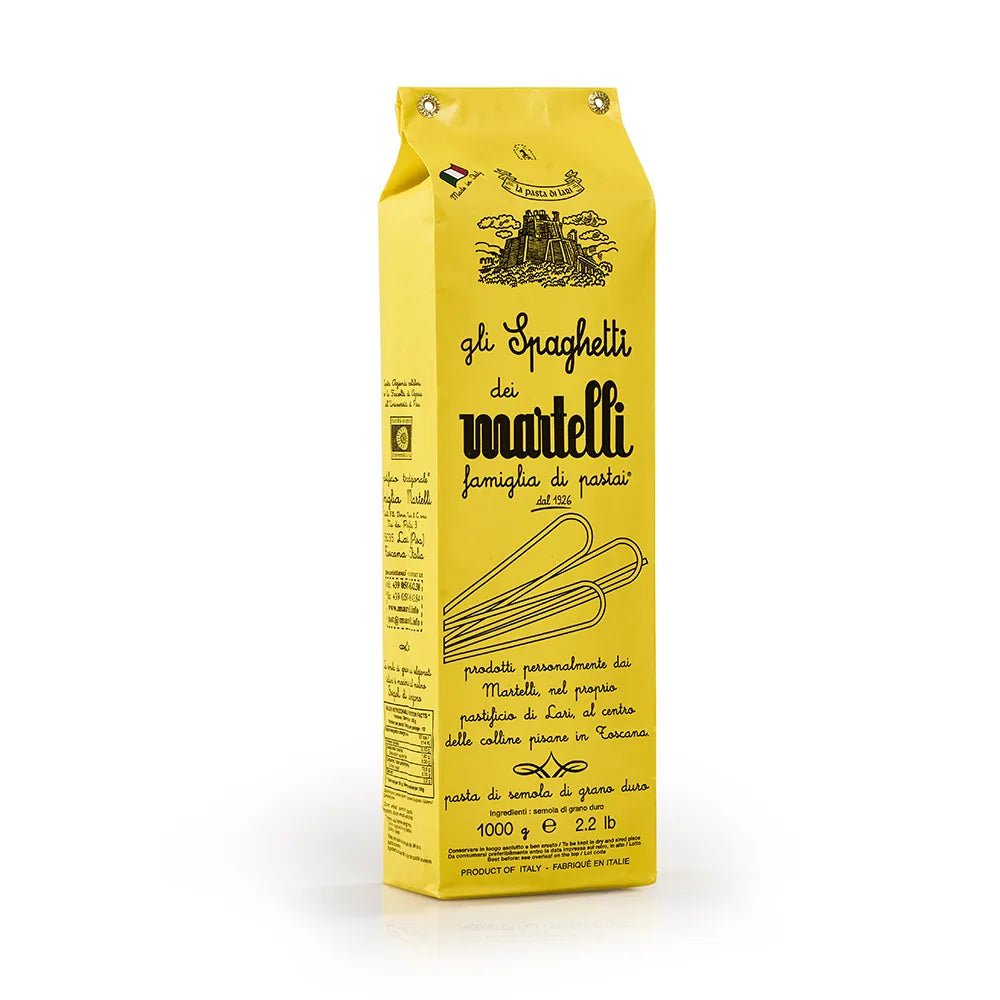
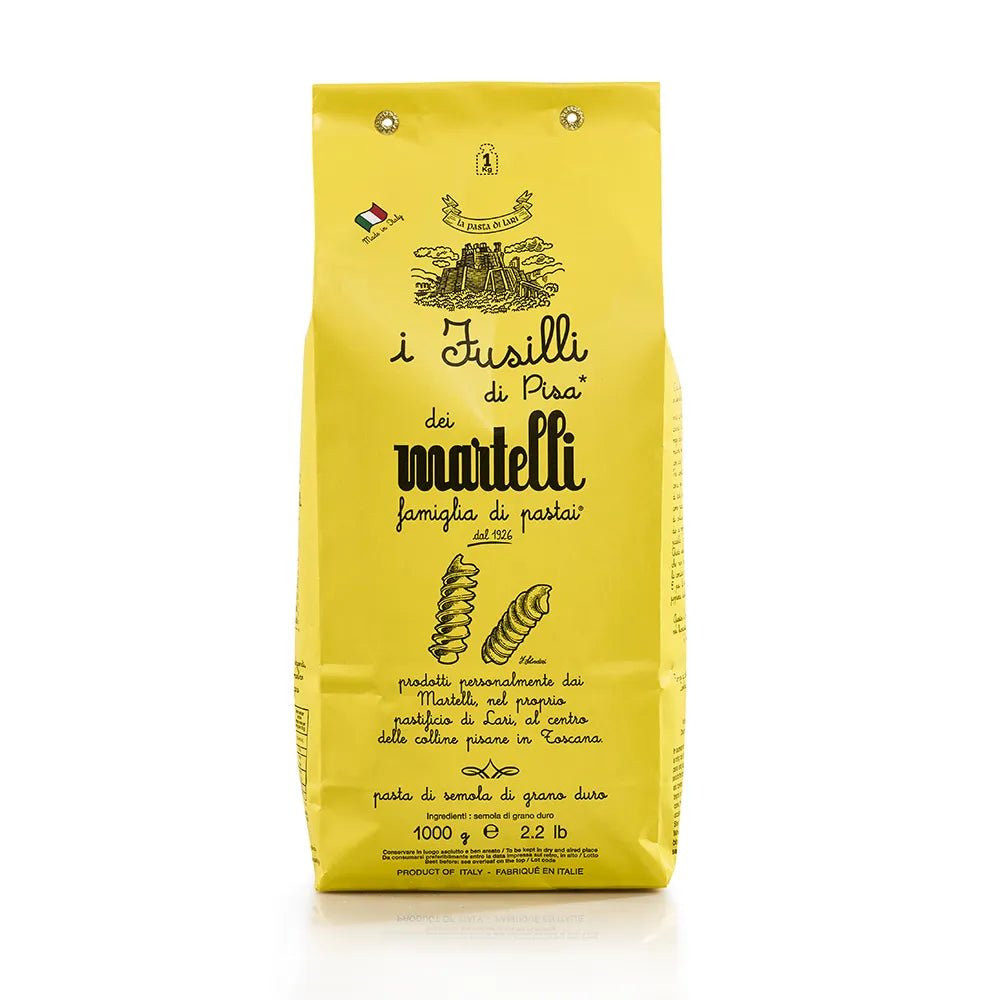
Martelli Pasta

500 g


Regular price
CHF 7.50
Regular price
Sale price
CHF 7.50
Tax included. Shipping calculated at checkout.
Type of pasta

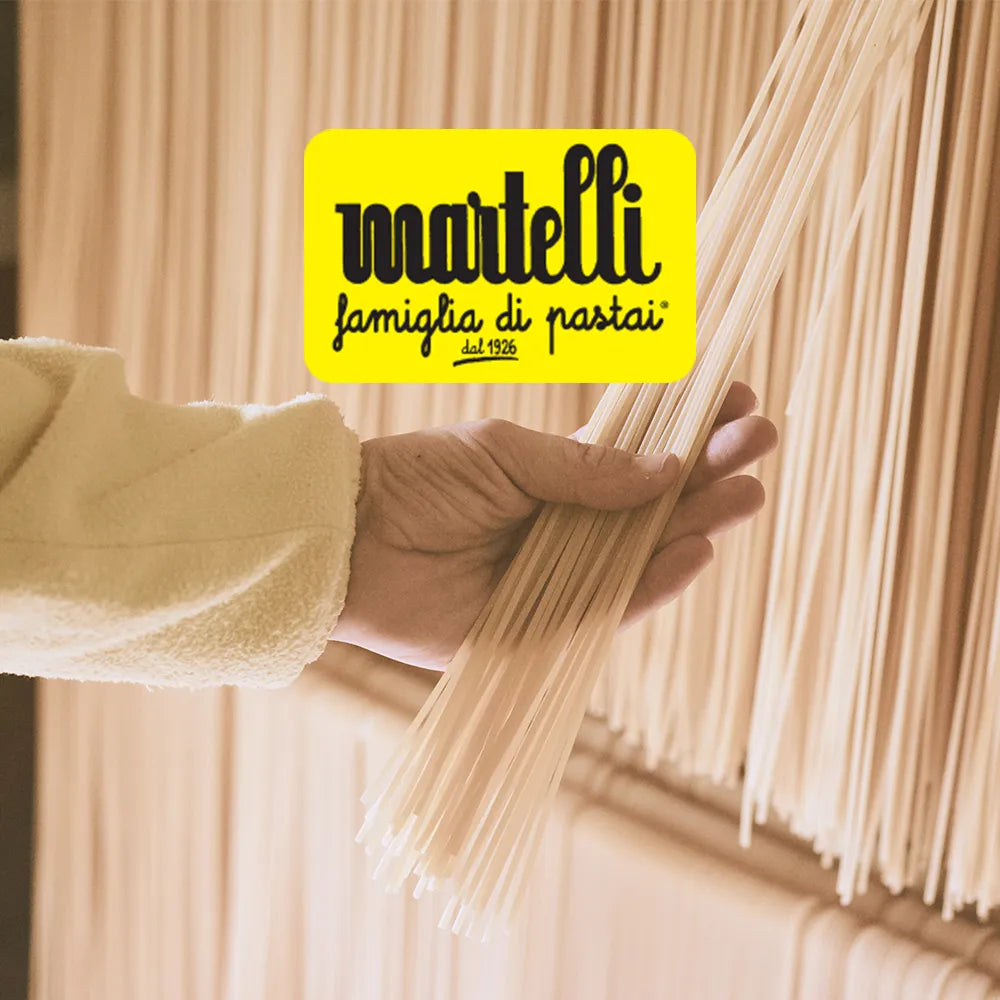
Extremely slow, traditional production
Bronze molds for perfect sauce adhesion
100% family-run business with uncompromising quality

Description

Probably the best pasta in the world!

Pasta Caterina is a culinary treasure from the southern region of Basilicata. Made from the finest durum wheat semolina and the purest spring water, it is lovingly handcrafted using bronze dies. Its rough surface perfectly absorbs any sauce, making it the ideal accompaniment to hearty Mediterranean dishes. Slow drying at low temperatures ensures intense flavor and a wonderfully firm texture. A pasta with character – authentic, rustic, and unmistakable.

Nutritional values
Nutritional value per 100 g Crowd
energy 1499 kJ / 356.00 kcal
Fat 1.5 g
hereof: saturated fatty acids 0.3 g
Carbohydrates 73.30 g
of which sugar 2.4 g
Dietary fiber 3.2 g
Protein 13.20 g
Salt 0.004 g
Ingredients

durum wheat semolina, water

Information for allergy sufferers

Contains: Gluten.

Martelli Pasta - Delikatessen > Pasta - Vicolo
Sustainable Partnerships
Shopping with a clear conscience
Trusted Purchase
Own wine import
Free shipping from 100 CHF
30-day return
Get personalized now

“Mangiare meno, mangiare meglio - eat less, eat better.”
– Dino and Mario Martelli

The World of Pasta Martelli

A great pasta story that continues to this day.

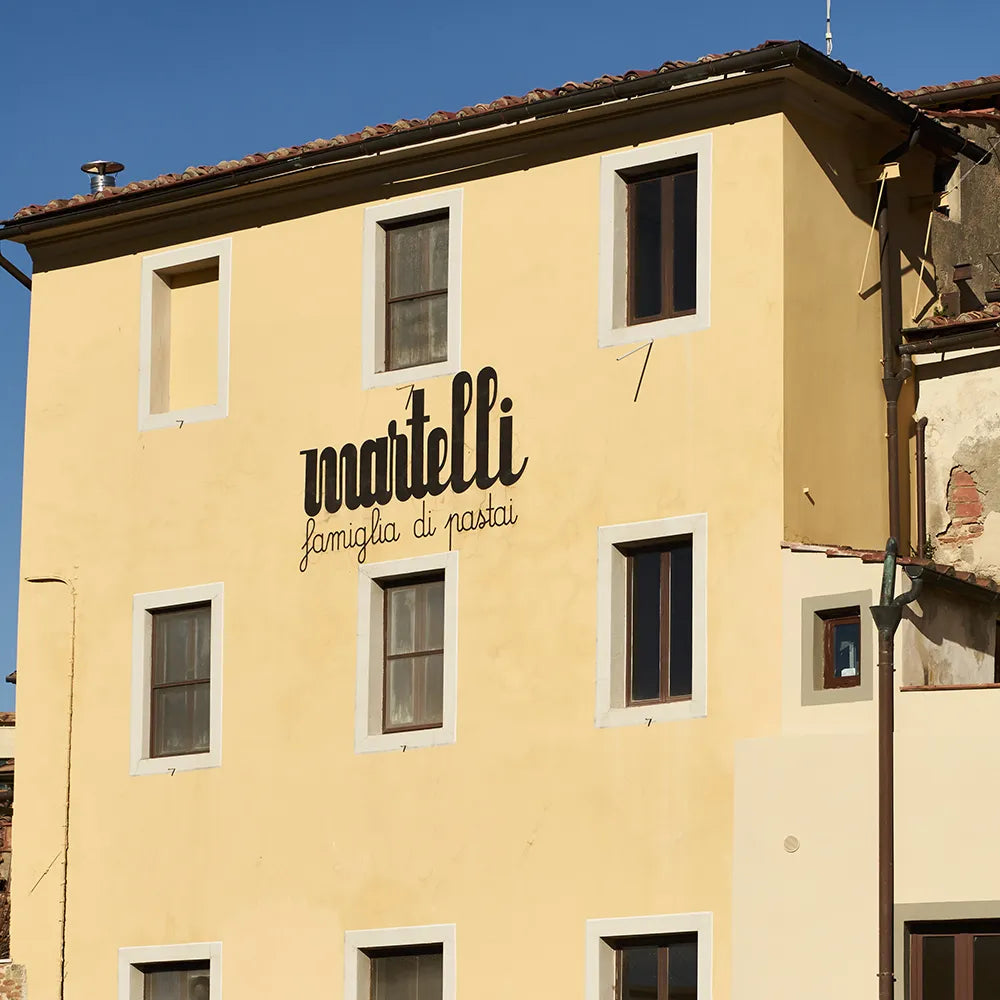
In 1926, brothers Guido and Gastone Martelli took over a small pasta factory on Via San Martino, nestled in the hills near Pisa. What began as the hard work of young apprentices became, after many years of dedication, their own life's work. Together with their wives, they ran the business with perseverance and passion through economically challenging times – even through the hardships of the Second World War. This tenacity and love for their craft continue to define Pasta Martelli to this day.


Pasta Martelli in the world

Pasta Martelli stands for uncompromising quality, not mass production. As a small-scale manufacturer, it caters to discerning palates and is deliberately not found in typical supermarkets. You'll discover it where good food is valued: in select specialty shops and delicatessens – in Italy and internationally.

Frequently asked questions about Martelli pasta

What makes Pasta Martelli so special?

Martelli pasta has been produced in small batches in Tuscany since 1926. The combination of slow drying, bronze dies, and decades of family expertise ensures its distinctive flavor and perfect texture.

What ingredients are used?

The pasta is made exclusively from high-quality Italian durum wheat semolina and water – no additives, no compromises.

Why isn't Pasta Martelli available in supermarkets?

Martelli consciously focuses on quality over quantity. The pasta is only available in select delicatessens and specialized retailers where genuine craftsmanship is valued.

How should Pasta Martelli be prepared?

The best approach is to keep it simple: use good ingredients and light sauces. This allows the natural flavor of the pasta to shine through.

Who is Pasta Martelli intended for?

For those who don't just eat pasta, but truly savor it – for lovers of authentic Italian cuisine and honest craftsmanship.

Why is the slow drying of the pasta so crucial?

Slow drying at low temperatures preserves the natural flavor of the durum wheat semolina and allows the pasta to retain its firm, elastic texture. This gentle process also improves digestibility and ensures that the pasta perfectly holds its shape when cooked – an essential quality characteristic of traditional pasta like that from Pastificio Martelli.

Where is Pasta Martelli produced?

Production still takes place in Tuscany, in the historic Martelli family factory near Pisa.

Why are bronze dies so important for pasta production?

Bronze dies (al bronzo) give the pasta a slightly rough surface, to which sauces adhere much better than with industrially produced pasta. This allows the sauce to blend perfectly with the pasta, resulting in a richer, more intense flavor – a key quality characteristic of traditional pasta like that from Pastificio Martelli.


The use of bronze dies gives the pasta a slightly rough surface, allowing sauces to cling much better than with industrially produced pasta.